

 Español
 Русский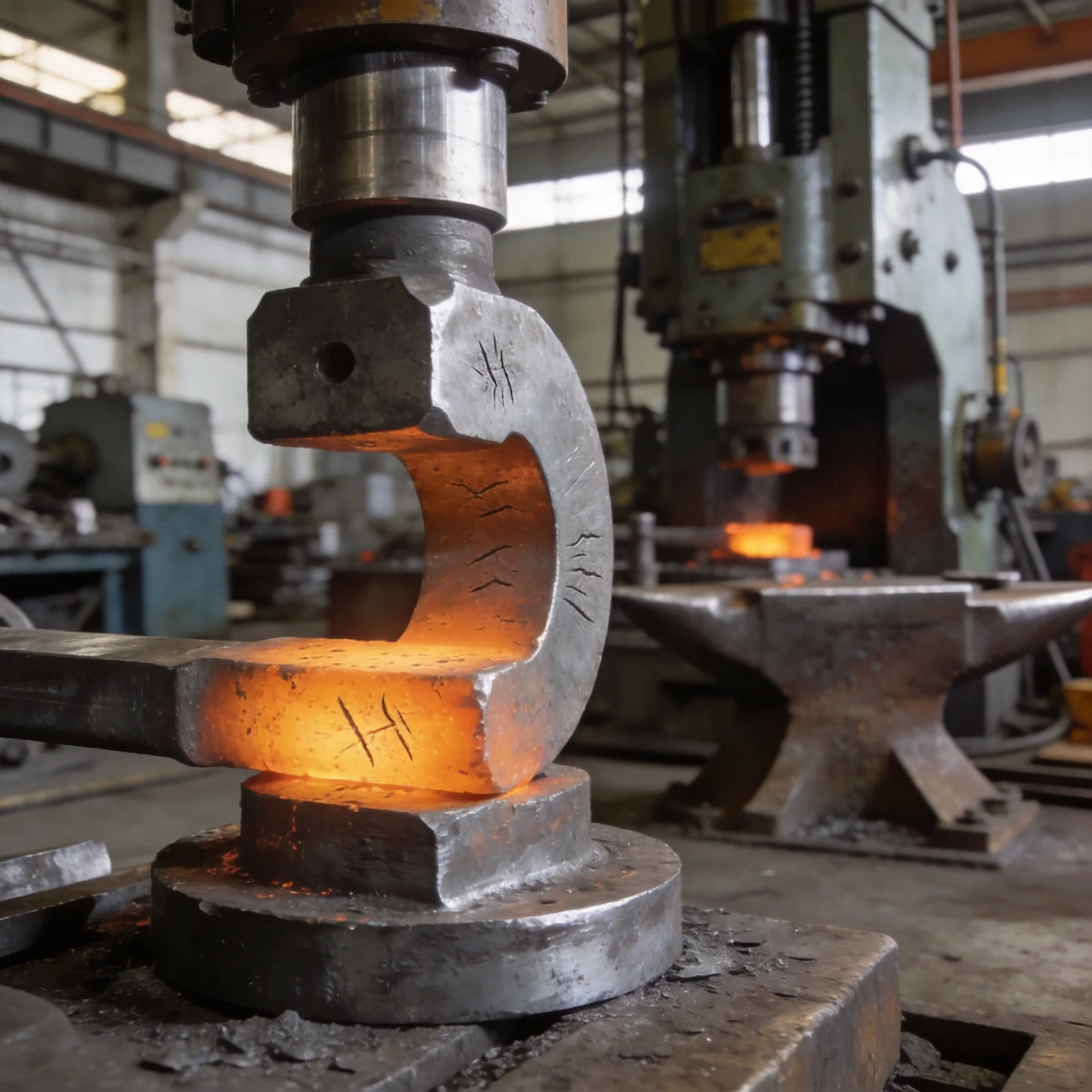
Understanding Industrial Forging and Its Critical Role
Industrial forging is a cornerstone manufacturing process that shapes metal through compressive forces, delivering unmatched strength and reliability for demanding applications. Unlike casting or machining, forging aligns the grain structure of the metal, resulting in components that can withstand extreme pressures, temperatures, and cyclic loads. This makes it indispensable for industries such as oil and gas, petrochemical, marine, and power generation, where failure is not an option. For a deeper dive into how forging transforms raw materials into mission-critical parts, refer to our complete guide to the forging process, which covers techniques, materials, and best practices.
Why Forging Outperforms Other Manufacturing Methods
The advantages of industrial forging over casting or fabrication are clear. Forged parts exhibit superior mechanical properties, including higher tensile strength, better fatigue resistance, and improved impact toughness. The process eliminates internal voids and porosity, ensuring dense, defect-free components. For high-stakes environments like offshore platforms or refineries, these qualities translate directly into safety and longevity. When selecting materials, understanding the differences between alloys is crucial; our comparison of stainless steel vs carbon steel vs alloy steel flanges helps engineers make informed decisions for corrosive or high-pressure systems.
Key Forging Techniques for Industrial Applications
Open-Die Forging
Open-die forging, also known as smith forging, involves hammering or pressing the workpiece between flat or simple-shaped dies. This technique is ideal for large, custom components like shafts, discs, and rings. It offers flexibility in size and shape, making it a go-to for prototypes and low-volume production runs.
Closed-Die Forging
Closed-die forging uses shaped dies to enclose the workpiece completely, producing near-net-shape parts with excellent dimensional accuracy. This method is preferred for high-volume production of complex geometries, such as flanges, valves, and fittings. The process minimizes material waste and reduces the need for secondary machining.
Seamless Rolled Ring Forging
Seamless rolled ring forging creates strong, continuous rings by piercing and rolling a preformed billet. The resulting rings have no weld seams, offering superior strength for applications like flanges, bearings, and gears. This technique is particularly valued in the oil and gas industry for pipeline flanges and pressure vessel components.
Materials Used in Industrial Forging
The choice of material directly impacts the performance of forged components. Common materials include carbon steel, alloy steel, stainless steel, duplex and super duplex stainless steels, and nickel alloys. Each offers distinct properties: carbon steel for cost-effective strength, stainless steel for corrosion resistance, and duplex grades for high strength combined with excellent resistance to stress corrosion cracking. For specialized projects, custom forging allows engineers to tailor material compositions and heat treatments to exact specifications, ensuring optimal performance in harsh environments.
Applications Across Critical Industries
Oil and Gas
In the oil and gas sector, forged components like flanges, fittings, and valve bodies must endure high pressures, corrosive fluids, and extreme temperatures. Forging ensures these parts meet stringent standards such as API 6A and NACE MR0175. For a comprehensive overview of how forging supports this industry, explore our industrial forging complete guide for oil and gas, which details material selection, quality control, and certification requirements.
Petrochemical and Chemical Processing
Forged parts in chemical plants resist aggressive chemicals and thermal cycling. Duplex and nickel alloy forgings are common choices for reactors, heat exchangers, and piping systems, where reliability is paramount.
Marine and Offshore
Marine environments demand components that resist saltwater corrosion and withstand dynamic loads. Forged flanges and fittings from super duplex stainless steels are widely used in shipbuilding, desalination plants, and offshore platforms.
Power Generation
In power plants, forged turbine shafts, generator rotors, and pressure vessel components operate under high stress and temperature. The fatigue resistance of forged parts extends service life and reduces maintenance costs.
Quality Standards and Certifications
Industrial forging must adhere to international standards to ensure safety and interoperability. Common certifications include ASME, ASTM, EN, and GOST. For flanges, standards like ASME B16.5, EN 1092-1, and GOST 33259 define dimensions, pressure ratings, and testing protocols. Manufacturers like Jiaji Forging hold PED 2014/68/EU certification for European markets and follow strict quality management systems. Understanding these standards is critical for procurement teams; our guide on GOST vs ASME flange standards provides a detailed comparison to help select the right specification for your project.
Choosing the Right Forging Partner
Selecting a reliable forging manufacturer involves evaluating capabilities, certifications, and experience. Look for a partner with expertise in your industry, a proven track record of quality, and the ability to handle custom requirements. Jiaji Forging, based in Zhejiang, China, specializes in duplex steel, nickel alloy, and stainless steel flanges and forged parts, serving clients in over 30 countries. Their commitment to precision engineering and rigorous testing ensures that every component meets the highest standards.
Conclusion
Industrial forging remains the preferred method for producing high-strength, reliable components across critical industries. By understanding the process, materials, and standards, engineers and procurement professionals can make informed decisions that enhance safety and performance. Whether you need standard flanges or custom-forged parts, partnering with an experienced manufacturer ensures your project’s success.